The Unique Charm of 80s Bathroom Design
Intro
The 1980s marked an era of distinct vibes and vibrant expressions, especially in interior design. Bathrooms during this time bridged the gap between opulence and practicality, creating spaces that were not just functional, but also reflections of one's personality. If you step into an 80s bathroom today, you'd likely be hit by a wave of nostalgia. The history of bathroom design in the 80s has deeply influenced contemporary spaces, transforming how we perceive the most private area in our homes. This exploration will dive into the aesthetic choices and practical advancements that defined 80s bathrooms, shedding light on how they still resonate today.
Tapping into the nostalgia evoked by 80s bathrooms, modern homeowners are now on a quest to harmonize vintage charm with contemporary functionality. Whether it's the integration of vibrant colors or unique materials, understanding this blend is crucial for anyone looking to enhance their bathing space.
By delving into trending styles, color palettes, and other notable elements, this article aims to provide a roadmap for those eager to channel the spirit of the 80s in their own homes.
"Bathrooms are often overlooked, yet they play a vital role in creating a sense of comfort and intimacy in any home."
In the sections that follow, we will dissect the various components that made 80s bathrooms so memorable and guide you on how you can incorporate these traits into your personal oasis.
Preamble to the 80s Bathroom
The array of influences in bathroom design throughout the decades reveals much about societal changes and cultural priorities. The 1980s was a period marked by a blend of exuberance and innovation, leading to the birth of unique bathroom aesthetics that remain evocative even today. This article critically examines the elements that defined the 80s bathroom, focusing on its emotional resonance, practical innovations, and visual appeal.
The significance of the 80s bathroom is manifold. It not only reflects the personal spaces where individuals seek comfort but also serves as a canvas for the expression of personality and status. Each design choice—from color palettes to fixture styles—points toward broader design trends and technological advancements of the era, which deserve our attention and respect.
A Decade of Change in Bathroom Design
In the 1980s, a wave of transformation swept through America, impacting everything from fashion to architecture. Bathrooms were no exception. Gone were the sterile environments of previous decades; instead, homeowners embraced style where functionality flirted with flamboyance. The rise of suburban living created a craving for personal sanctuaries, and bathrooms became an intimate space to escape the hectic pace of daily life.
Key characteristics of this decade included:
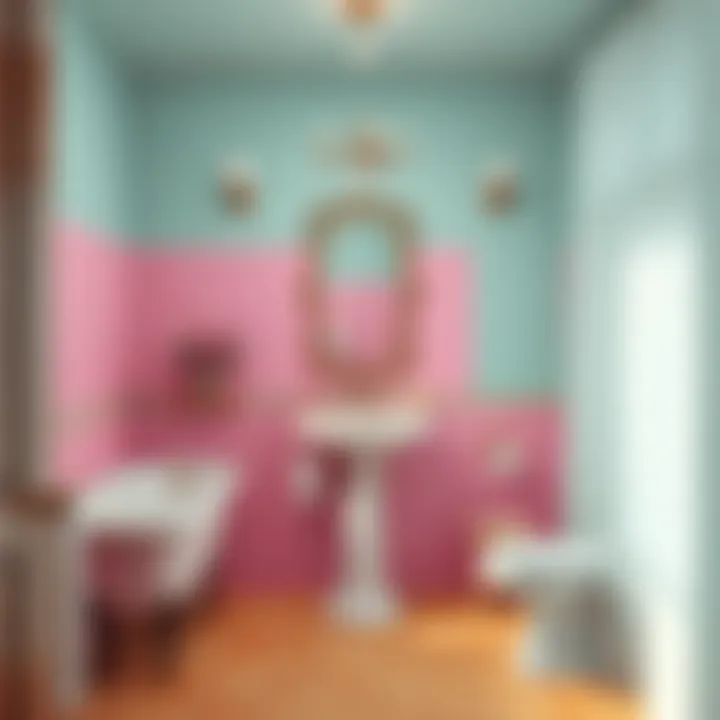
- Vibrant Color Schemes: Pastels made room for bolder hues, with bright greens, oranges, and pinks splashed across tiles and fixtures.
- Democratization of Space: The notion that every room could be a personal haven led to bathrooms that were as spacious and decorated as living rooms, featuring plush towels and decorative accessories.
- Eclectic Inspirations: From Mediterranean to contemporary styles, influences were mixed, leading to individually curated spaces.
In essence, the 80s shifted the perception of what a bathroom could be. No longer was it merely functional; it became infused with personality and flair, laying the groundwork for future designs and trends. With an audacious mix of materials, decor styles, and new technologies, this era was pivotal, setting a tone that resonates in modern bathroom aesthetics today.
Defining Features of 80s Bathrooms
The 80s bathroom is a striking blend of aesthetic exuberance and functional practicality. Understanding its defining features is pivotal, as it showcases how this unique era shaped bathroom designs that resonate even in modern homes. The emphasis on bold colors and innovative materials encouraged homeowners to embrace their individual styles while ensuring comfort and utility within their bathrooms.
Bold Colors and Patterns
In the 1980s, bathrooms were anything but subdued. Homeowners often opted for vibrant hues that made a statement. Hot pink, electric blue, and bright yellows were seen splashed across tiles, walls, and accessories. These colors were often complemented by striking patterns; think geometric designs and innovative wallpaper featuring florals or abstract graphics.
The intention behind this boldness was clear: to create an atmosphere where personal expression flourished. The 80s were about taste, a counter to minimalism that had gradually taken over previous decades. Using statement colors and patterns allowed for a fun and playful atmosphere that made washing up feel like a celebration rather than a chore.
Materials and Textures
The materials used in 80s bathrooms were a mix of traditional and modern. There was a distinct leaning towards man-made materials like vinyl, fiberglass, and laminate, which were not only cost-effective but also easy to maintain. However, some homeowners still cherished the timeless appeal of natural stones and hardwoods.
Texture played a vital role too. From rough ceramic tiles to shiny, smooth faucets, these varying textures brought depth and interest. The use of matte-finish paint contrasted beautifully with glossy tiles, offering a tactile experience that added layers of sophistication. Homeowners were encouraged to blend these materials to create a space that was as functional as it was stylish.
Faucet and Fixture Innovations
The 80s ushered in a wave of innovation in bathroom faucets and fixtures. Single-handle faucets became common, allowing for more straightforward temperature control and an overall cleaner look. Many designs incorporated curved shapes and bold metallic finishes, setting a precedent for modern fixtures.
Shower heads also saw significant advancements, offering different spray patterns that improved water flow while maintaining efficiency. The introduction of low-flow options in the latter part of the decade reflected a growing awareness of environmental concerns, merging functionality with responsibility. These features not only enhanced usability but also aligned with the vibrant aesthetic of the periods.
In essence, the defining features of 80s bathrooms encapsulate a cultural moment focused on personal expression, innovation, and a refusal to follow the trends of the past. This spirited ethos remains influential in contemporary designs, making the 80s an enduring touchpoint for bathroom aesthetics.
Understanding these defining characteristics allows homeowners to appreciate the nostalgic roots of their spaces and even find inspiration for modern adaptations.
For more details on the influence of colors and materials, visit Wikipedia Explore bathroom innovations on Britannica Join discussions on Reddit about retro decor choices
Popular Accessories in 80s Bathrooms
The role of accessories in shaping the aesthetic of 80s bathrooms cannot be overlooked. These pieces not only serve functional purposes but also reflect the vibrant personality of the decade. In the context of 80s design principles, accessories became a canvas for creativity—exhibiting bright colors, playful patterns, and bold statements that were a hallmark of the era. This section explores some crucial aspects of bathroom accessories, including their practical uses and aesthetic contributions.
Towel Racks and Bath Mats
When one thinks of towel racks from the 80s, we’re not just talking about the utilitarian bars of today; we’re reminiscing about dynamic, colorful designs that could be works of art in their own right. Geometric shapes and quirky styles flourished during this period, offering a stark contrast to the understated racks found in previous decades.
Bath mats also held their own in the accessorizing game. With fluffy textures and lively designs, they were the ultimate comfort underfoot. Bright neon colors adorned mats, often matching or contrasting the towels they accompanied. This attention to detail added cohesion to the bathroom while echoing the vibrant energy of the 80s.
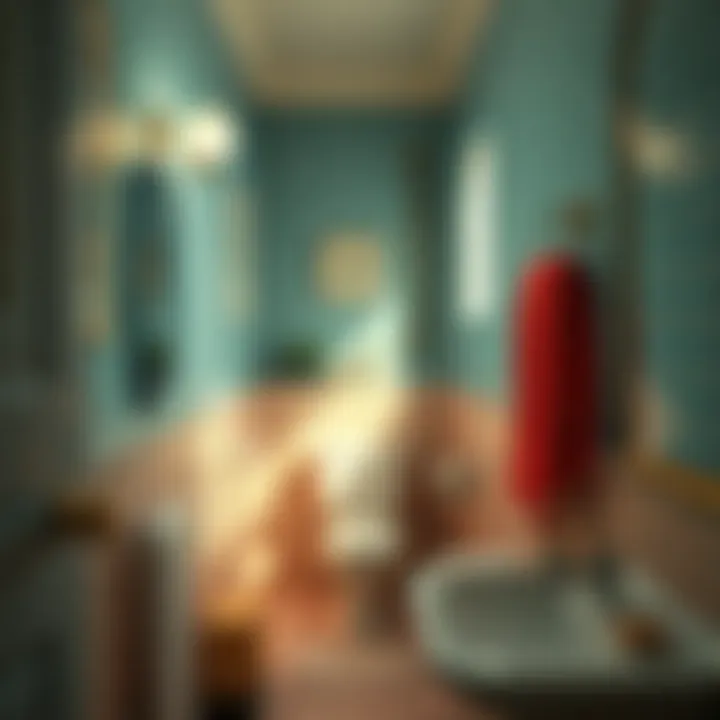
A vibrant towel rack or a whimsical bath mat isn't merely functional; it can evoke a sense of nostalgia, transporting one back to a time of exuberance and creativity.
Shower Curtains and Liners
Shower curtains in the 80s became more than privacy screens. They burst onto the scene as eye-catching focal points. Patterns featuring everything from abstract designs to stripes were commonly seen. Some went as far as incorporating imagery from popular culture, showcasing everything from colorful cocktails to retro cartoon characters.
To complement these extravagant curtains, liners also played a practical yet stylish role. Often featured in bold contrasting colors, they helped to create a visual flow between the curtain and the rest of the bathroom interior. Functionality was never sacrificed for aesthetics; instead, both coexisted harmoniously.
Vanity Displays and écor
In the 80s, vanity spaces were often more than just functional areas; they were showcases of personal style. The accessories chosen for these spaces told stories about the homeowners. Decorative trays brimmed with colorful perfumes and vibrant toiletries were a common sight.
Interspersed among the bottles could be quirky designs, like knickknacks that reflected individual interests—be it a small figurine or a retro theme. It was not unusual to see bright, patterned containers that turned necessary items into a striking visual display.
This era demonstrated that a bathroom vanity could embody a blend of charm and utility, serving as a personal sanctuary reflecting an individual’s taste. Accessories like makeup organizers and unique lighting fixtures also found their place, capturing the spirit of the time while enhancing functionality.
Through these popular accessories, the 80s bathroom narrated a vivid story filled with color, personality, and character. Each piece not only served a specific function but also contributed to an overall aesthetic that continues to influence modern design choices.
The Role of Lighting in 80s Bathrooms
Lighting played a pivotal role in 80s bathrooms, acting not only as a functional necessity but also as a key player in establishing the aesthetic vibe of the space. In this decade, the approach to lighting transitioned from simple fixtures to creatively styled illumination that enhanced the overall atmosphere. From the bright neon lights that reflected the era's bold color palettes to softer ambient solutions, the lighting choices made a statement about personal style and the growing importance of mood in interior design.
Innovative lighting in the bathroom wasn't just about visibility; it was about crafting the right feel for the space. A well-lit bathroom could highlight vibrant tiles or unique fixtures, while dimmers allowed for more intimate settings. For housewives and homeowners looking to retrofit their spaces with a hint of 80s charm, understanding the nuances of lighting can provide that nostalgic touch without sacrificing modern sensibilities.
Creative Lighting Solutions
When delving into the creative solutions of the 80s, it’s evident that this era embraced variety. Various styles and placements were utilized to create distinctive looks, and often a bit of whimsy was thrown into the mix. From sconces shaped like seashells to backlit mirrors that added a glow, the innovations in bathroom lighting were impressive.
- Layered Lighting: One of the hallmarks of 80s design was layering different types of lighting. This included task lights over vanities, ambient lights for warmth, and accent lights to highlight artwork or ornamental features.
- Funky Fixtures: The bathroom in this decade often saw light fixtures that were as bold as the colors on the walls. Think geometric shapes, vibrant hues, and materials like chrome and glass. These fixtures were statement pieces that often grabbed attention.
- Neon Accents: Although often more common in other areas of the home, neon lighting made its way into bathrooms, giving a pop of color and a touch of drama to otherwise standard places.
- Wall-mounted Options: Instead of relying solely on overhead lighting, many 80s bathrooms featured wall-mounted lights that offered a more intimate glow, which allowed homeowners to create a cozy feel.
Lighting defined the experience of using the bathroom in the 80s. It was less about mere functionality and more about crafting an inviting atmosphere.
THe mix of brighness and color in lighting options provided a tailor-made experience for each user, increasing the sense of peace and comfort.
For those appreciating the aesthetics of the past, blending these imaginative lighting aspects into today’s layouts can create a lovely homage to the 80s without feeling dated. Incorporating similar styles, or even finding vintage fixtures at flea markets or estate sales, can provide a genuine nod to this vibrant decade while enhancing the overall charm of contemporary bathrooms.
Nostalgic Elements of 80s Bathrooms
Nostalgia plays a pivotal role in how we perceive and integrate design into our living spaces, particularly in bathrooms that may evoke memories that shape our emotional connections to home. The bathroom, often referred to as a private sanctuary in the home, became a canvas for expressing vibrant aesthetic styles in the 1980s. This section looks into those nostalgic elements and their significance. The use of distinctive patterns, bold colors, and quirky accessories from this era not only enhances visual appeal but also provides a sense of comfort and familiarity. These design features provide a bridge between the past and present, allowing homeowners decades later to experience a blast from the past while incorporating modernity.
One major benefit of infusing nostalgic elements into bathroom design is the emotional resonance they create. Individuals often associate specific colors and styles with their childhood or past experiences. For example, tile designs reminiscent of a grandparent's house or a specific shade of peach often evokes fond memories. Incorporating these elements can result in a space that feels personal and uniquely tailored to the homeowner’s identity.
In discussing some essential factors regarding the nostalgic designs from the 80s, it’s crucial to emphasize the importance of authenticity in recreating these vibes. This means selecting accessories that truly reflect the period rather than mere imitations. Adding vintage finds like ceramic soap dispensers with playful motifs can instill charm and provide a genuine throwback feel.
"A home is not just a dwelling; it’s a reservoir of memories that shape who we are. Incorporating nostalgic elements bridges the divide between who we were and who we are today."
Retro Whimsical Touches
The playful whimsy that characterized 80s bathrooms is one of its defining traits. Bright colors like electric blue, fiery red, and sunshine yellow were staples that made spaces feel lively. Common materials included laminate surfaces in patterns reminiscent of vintage textiles, contributing to a light-hearted vibe.
In addition to colors, patterns played a crucial role. Walls often displayed floral decals or geometric wallpaper that added layers of visual interest. Shower curtains in playful prints, like those featuring cartoon characters or oversized flowers, were essential to complete the whimsical aesthetic. Accessories such as quirky-shaped towel racks or fun bath mats shaped like animals would instantly uplift any bathroom atmosphere, allowing homeowners to express individual style while inviting a sense of nostalgia.
Integrating such touches can be done effortlessly by focusing on small items. Items like retro light fixtures or playful wall art can serve as functional pieces while simultaneously being conversation starters. In this sense, it’s vital to thoughtfully curate each nostalgic component while ensuring it harmonizes with the overall space.
While nostalgic elements are charming, they should be balanced with modern functionality. The goal is to enhance the bathroom experience without sacrificing practicality. Those looking to embrace these retro whimsical touches should consider how to harmonize them with contemporary needs, thereby creating an inviting and functional oasis.
Contrasts with Modern Bathroom Design
The bathroom has long served as a sanctuary where one can retreat for a moment of peace or indulge in self-care. Yet, the design approach taken in the 80s sharply contrasts with today’s minimalist, utilitarian ethos. The bold colors, elaborate patterns, and eclectic styles from that era tell a different story, one where personality thrived within four tiled walls. This section examines how the aesthetic and functional aspects of 80s bathrooms diverge from contemporary designs, giving insight into the evolution of bathroom decor.
Minimalism vs. Maximalism
In modern design, minimalism reigns king. Fewer items, clean lines, and neutral tones create a serene oasis, embodying an efficient use of space. On the flip side, the 80s were about maximalism, embracing color and those often-contradictory patterns. Think peacock colors splashed across the walls, vibrant murals, and intricate mosaics. Every corner hinted at personality, from the matching bath accessories to the kitschy wall prints.
Some notable differences include:
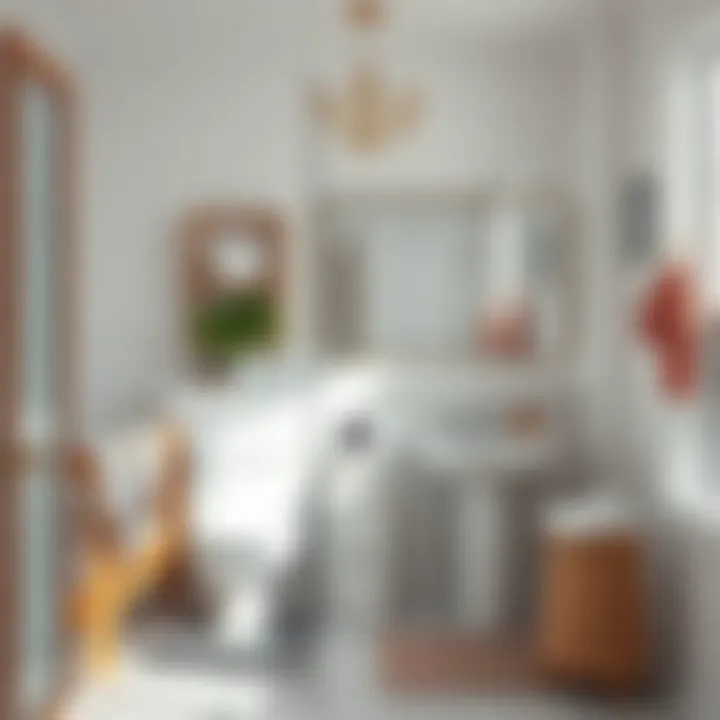
- Color Palette: While contemporary designers tend to favor whites, creams, and grays, bathrooms in the 80s might have featured navy blue tiles paired with golden brass fixtures.
- Decor Complexity: Today's bathrooms might only have a single or a pair of decorative items that fit seamlessly into the decor. In contrast, 80s landscape often showcases multiple accessories, mixing and matching patterns that tell a vibrant story.
- Furnishings: Modern bathrooms frequently use sleek cabinetry that rarely shows its material variations. Conversely, bathrooms from the 80s often sported heavy wooden vanity units, giving a warm and rich feeling yet leading to potential clutter.
Functionality and Efficiency
The discussion of functionality indicates a shift in priorities in bathroom design. Modern designs prioritize efficiency through space-saving fixtures and advancements in water usage, promoting sustainability. Water-saving faucets, smart mirrors, and high-efficiency toilets dominate the conversation today. However, bathrooms in the 80s, while functional in their own right, were less concerned about such efficiencies.
In the past, luxury was often associated with large soaking tubs and expansive countertop space. These spaces, often filled with appliances like whirlpool tubs and bold fixtures, catered to comfort over conservation.
"Functionality did exist, but it had a lavish interpretation. An 80s bath was a retreat, not merely a necessity."
Some benefits of the 80s approach include:
- Indulgence: The era encouraged leisure; bathing was not just about hygiene, but an experience.
- Flexibility in Layout: Customization was more common, allowing space owners to make their bathrooms uniquely theirs, sometimes leading to odd layout choices that, while unconventional, functioned in surprising ways.
In essence, while the 80s bathroom design focused on expression, the modern approach embraces simplicity and utility. Both styles reflect the values of their times, revealing attitudes toward space, function, and, ultimately, self-care.
Regional Variations of 80s Bathroom Designs
When discussing the design choices of the 1980s bathrooms, it's impossible to overlook the regional variations that characterized this decade. Each area of the country brought its own flair to bathroom designs, influencing color palettes, materials, and even the overall aesthetic ethos. This diversity reflects the cultural nuances and preferences within different communities, showcasing how a bathroom can serve not just as a functional space, but also as a mirror of local identity and lifestyle.
In urban centers, where space was at a premium, designers tended to favor more compact layouts. These bathrooms embraced a modern edge, often featuring angular bathtubs and glass shower enclosures. The urban aesthetic favored neutral colors, occasionally accented with vibrant touches, reflecting the fast-paced environment of city life. The focus was on maximizing functionality without sacrificing style, which led to innovative storage solutions, like built-in shelves and multi-purpose vanities.
On the flip side, rural areas took a different path that hinted towards nostalgia and warmth. Bathrooms in these settings often incorporated traditional materials like wood, with floral patterns making a considerable mark. A splash of pastel colors, such as soft pinks and blues, filled these spaces with a welcoming atmosphere. The emphasis was not merely on functionality but also on creating a sanctuary where one could unwind from the day’s exhaustion.
Urban vs. Rural Aesthetics
Urban Aesthetics
- Urban bathrooms were often sleek and minimalistic.
- Utilized materials like ceramics and glass to create an illusion of spaciousness.
- Popular colors included grays, whites, and accents of bold tones like red or black.
- Technological innovations, such as electronic faucets, began making an appearance.
- Integration of unique lighting solutions, like recessed lighting, added depth to these spaces.
Rural Aesthetics
- Frequently inspired by cottage styles or countryside themes.
- Use of natural materials such as wood, stone, or even hand-painted tiles was common.
- Color palettes leaned toward warm pastels or soft earth tones.
- Decorative elements like embroidered towels or vintage accessories were popular, adding a layer of charm.
- Open shelving displayed decorative items or plants that highlighted local flora.
"The 80s bathroom was not just about fixtures; it was about expressing who you were, shaped by where you lived."
Both urban and rural designs reflect the era's profound emphasis on personal expression while maintaining a foundational focus on usability. As we observe contemporary adaptations of these designs, understanding these regional differences provides valuable insights into how past influences offer inspiration for today’s bathrooms. Considering these distinctions can significantly aid modern homeowners and designers in crafting their spaces, ensuring that the resulting design pays homage to the diverse beauty that the 80s era encapsulated.
Maintaining Authenticity: Preservation Tips
When it comes to reviving the aesthetic of an 80s bathroom, maintaining authenticity is crucial for capturing the spirit of the era. Authenticity not only pays homage to the past but also elevates the design in a way that resonates with both nostalgia and functionality. It’s like trying to recreate your grandmother's famous recipe; skip a key ingredient, and it won’t taste the same. Here are some essential considerations to keep in mind when navigating this past-meets-present project.
First, understanding why authenticity matters can shape your approach to renovations. Historically, 80s bathrooms boasted distinct colors, materials, and layouts, reflecting a unique sensibility that many strive to emulate today. By focusing on authenticity, one can achieve a space that feels cohesive and true to its time, rather than a jumbled mishmash of modern elements without context.
"Nostalgia is a ways of remembering the past, but also something we live for today. A true 80s bathroom embraces both."
Choosing Authentic Materials
When selecting materials for your retro-inspired bathroom, heavy emphasis should be placed on authentic materials from the era. This not only enhances the aesthetic but also supports the integrity of the design. Think about the classic porcelain tiles favored in 80s space; their shine brings a cheerful vibe that today's matte finishes often lack. Likewise, you may want to look for patterned wallpaper in floral or geometric designs—a hallmark of the decade.
- Vinyl Flooring: Bold and colorful, vinyl once ruled the bathroom floors. Look for styles that evoke geometric patterns or even the ever-charming checkerboard.
- Color Schemes: Pastel hues like mint green, baby blue, and soft pink can easily transport your bathroom back in time while maintaining a cheerful atmosphere.
- Fixtures and Faucets: Consider retro-style faucets made of brass or chrome that capture the glitz and glam of the 80s. The right fixture can transform ordinary bathroom tasks into nostalgic experiences.
- Lighting Fixtures: Search for those oversized vanity lights; yes, they might seem gaudy today, but they were all the rage back then!
Pay attention to texture as well. Materials that evoke tactile memories—such as shaggy bath mats—can play a significant role in rounding out your design. The key is to remain mindful: not all modern replacements will achieve the same look or feel as true 80s pieces.
Finally, if sourcing authentic materials proves challenging, don't shy away from vintage shops or online marketplaces. They can often house hidden gems waiting to be rediscovered, not to mention the compelling story each one carries. Think of it as a treasure hunt, not a chore. Combining carefully selected authentic materials with loving detail can help you retain the character of the 80s bathroom, allowing the spirit of the decade to shine through in your modern home.
Contemporary Adaptations of 80s Design
The evolution of design is a marathon, not a sprint, and the 80s are a prime example of how past aesthetics can find new life in today’s modern homes. Contemporary adaptations of 80s design not only deserve a spotlight but also a thoughtful exploration. For homeowners, especially those keen on blending old-school charm with current functionality, this design journey can be both nostalgic and practical. Bringing 80s style back into modern spaces offers a myriad of benefits, ranging from unique character to potential cost-effectiveness in renovations.
Integrating Retro Styles into Modern Spaces
It's like pulling on a comfy sweater from your closet—the familiarity of 80s design elements can provide warmth and comfort to the cold, often sterile look of contemporary bathrooms. Homeowners looking to integrate retro styles can focus on a few key areas to strike the right balance between nostalgia and modernity.
Begin with color—think vibrant shades like electric blue, shocking pink, or even sunny yellow. These colors can be incorporated as accent walls or through smaller elements like towels and decorative items. Choosing tiles that mimic the bold geometric patterns of the decade can set a playful tone while keeping things fresh and lively.
Key Elements to Consider:
- Faucets and Fixtures: Opt for bold-colored or uniquely shaped fixtures that echo the extravagance of the 80s. Brands such as Moen and Delta still produce quirky designs that harken back to that era while meeting modern plumbing standards.
- Textures: Combine materials such as chrome or glass mosaics for an authentic feel. The shine and reflections can beautifully juxtapose matte surfaces often seen in modern designs.
- Artistic Accessories: From vintage mirrors to quirky wall art, incorporating playful elements can bridge the gap between the 80s and today. Look for pieces at local flea markets or vintage stores to keep authenticity alive.
Adapting 80s styles isn't just about aesthetics; it's also about creating an atmosphere that is inviting and personal. When integrating these retro touches into modern spaces, consider functionality too. For instance, a vibrant pattern on a shower curtain can enhance the bathroom's mood without overwhelming the senses.
"It’s not just about reviving the past, but breathing fresh life into it, making it relevant in a new context."
If one were to take advantage of lighting—a pivotal aspect often neglected—it can also encapsulate the vibrancy of the 80s. Brighter bulbs or colored lighting fixtures can add drama akin to what was commonplace back then, but in ways that are subtle enough not to clash with modern sensibilities.
Integrating retro styles into modern spaces isn't merely a design choice; it’s a storytelling act. Each element tells a tale from a past decade, inviting conversation and evoking memories. This blend of old and new allows for each bathroom to become not only functional but also rich with character and warmth.
Health and Wellness Innovations in Bathroom Designs
The bathroom has evolved from a purely utilitarian space into a sanctuary of wellness, especially with advancements that originated from the 80s. An understanding of health and wellness innovations in bathroom design sheds light on how this era set the stage for a focus on hygiene and comfort. Traditionally, bathrooms were often seen as mere functional restrooms, but the 80s began to change that narrative, setting trends that emphasize self-care and relaxation.
Sanitary Advancements
Sanitary innovations during the 80s and their lingering influence today are a testament to the importance of health in bathroom design. This period saw the introduction of various features aimed at improving hygiene and user experience. Here are some elements that stand out:
- Low-Flow Toilets: The 80s marked a turning point with the introduction of low-flow toilets. These not only reduced water consumption but also contributed to sustainability in home design, driving conservation efforts before it became a mainstream concern.
- Non-porous Surfaces: The use of materials like acrylic and fiberglass became popular in bathroom fixtures and surfaces. These materials are not just visually appealing; they also offer cleanability that ensures better hygiene compared to traditional materials, making the upkeep easier for homeowners.
- Bidets and Washlets: Although commonly used in many parts of the world, bidets started gaining popularity in the US during this era. These fixtures contribute to greater cleanliness and comfort, addressing personal hygiene needs in a way that toilet paper cannot.
- Antimicrobial Treatments: Innovations in antimicrobial coatings for tiles and fixtures help in reducing the growth of bacteria and mold, creating a healthier environment. This was a groundbreaking addition that became more prevalent as consumers became more health-conscious.
- Air Quality Control: Exhaust fans improved dramatically in their efficiency during the 80s as bathrooms became a venue not just for grooming but also for relaxation. Improved ventilation helps prevent mold and mildew, promoting a healthier space.
"The 80s laid the groundwork for a health-focused approach in bathroom designs, marrying aesthetics and functionality in a bold way."
In considering these advancements, it’s clear they played a crucial role in shaping contemporary bathroom design focused on health and wellness. Homeowners today are more aware of the necessity for a space that not only looks good but contributes positively to their overall well-being.
Summary of Benefits
These innovations offer significant benefits:
- Enhanced cleanliness and hygiene.
- Promotes environmentally-friendly practices.
- Provides comfort through improved usability.
- Addresses growing health concerns regarding air quality and sanitation.
Influence of Technology on Bathroom Trends
In the ever-evolving world of bathroom design, the influence of technology is hard to overlook. Modern homeowners are increasingly looking to integrate innovative solutions that marry aesthetics with functionality. The 80s set a unique foundation for many of these trends, emphasizing not only style but also convenience. With advancements such as smart technology, today's bathrooms are becoming personalized oasis that cater to individual preferences while still nodding to the playful designs of the past.
Smart Bathrooms Inspired by the 80s
The concept of a smart bathroom can seem like a futuristic fantasy; however, elements of this innovation were rooted in the vibrancy of 80s décor. The decade was known for its bold color palettes and extravagant designs, which have resurfaced in modern technology to create environments that reflect personal style while enhancing functionality.
One might say, "Everything old is new again," and this could not be truer when talking about the smart bathrooms of today.
- High-Tech Features:
- Efficiency and Sustainability:
- User-Centric Design:
- Digital Showers: These allow users to preset their preferred water temperature and flow, echoing the 80s ethos of personalized design.
- Automated Lighting: A throwback to those playful colors of 80s neon, modern lighting can be controlled directly from your smartphone, seamlessly adjusting to the mood of the moment.
- Smart Mirrors: Equipped with touchscreens, these mirrors instantly recall your beauty routine while integrating LED lights that can transform your daily grooming into an enjoyable experience.
- The 80s were about excess; yet, our current focus is shifting towards sustainability without compromising on style. Smart toilets now have features like dual-flush and self-cleaning capabilities, marrying functionality with environmental responsibility.
- Water-saving faucets and showerheads have become the norm, allowing homeowners to maintain their stylistic preferences without leading to wasted resources.
- Just like the inviting designs of the 80s, the current bathroom tech emphasizes personalized experiences. Temperature-regulating showerheads and adjustable shower bars can accommodate users of different heights and preferences.
- Voice-activated gadgets add a touch of convenience reminiscent of the decade's unique charm; one can turn on the lights or play music with just a simple command, reminiscent of how small technology made a big impact back in the day.
"The intersection of technology and design paves the way for bathrooms that not only reflect the user's identity but also elevate daily routines."
In summary, while the 80s may seem like a distant memory, the technological advancements that shape today’s bathrooms borrow heavily from the spirit of that era. As we weave smart technology into modern spaces, the essence of 80s designs—freedom of expression, vibrant colors, and a touch of fun—continues to inspire homeowners seeking to blend the best of both worlds.
Culmination: The 80s Bathroom Legacy
The lasting impact of 80s bathrooms on today’s design landscape is both fascinating and significant. Over the years, this decade showcased a remarkable blend of functionality and exuberance, starkly contrasting with the minimalist trends that dominate contemporary designs. With bold colors, playful patterns, and innovative materials making a comeback, understanding the legacy of the 80s bathroom can guide homeowners and designers alike in creating vibrant, personalized spaces with a nostalgic feel.
In reflecting on the significance of this legacy, several key points emerge:
- Cultural Influence: The 1980s were a time of great cultural shifts, making the styles that emerged a reflection of societal values. This was a decade ripe with expression and individuality, and these traits found their way into bathroom designs through the use of dramatic colors and unique accessories.
- Blend of Fun and Function: The designs of this era were not just about looks; they were also highly functional. The incorporation of ample storage solutions and innovative fixtures provided homeowners with versatility that remains relevant.
- Nostalgia and Modernity: There's a rich layer of nostalgia associated with the 80s bathrooms that resonates with many. As modern homeowners consider blending retro elements with contemporary aesthetics, the 80s serve as a treasure trove of inspiration. Drawing on classic elements can evoke warmth and familiarity while adding a stylish flair to spaces.
The importance of this legacy extends beyond mere aesthetics; it speaks to the emotions and stories tied to every space. As individuals seek to create unique environments in their homes, they may hark back to the audacious designs that defined the 80s, realizing that these touches can imbue their bathrooms with a sense of personality and depth.
"The essence of an 80s bathroom isn't just in its colors or fixtures; it's about the emotions it evokes and the memories it conjures."
Reflection on Past and Future Design Trends
In contemplating the past, it becomes evident that the features of 80s bathrooms are not just relics; they are foundational pillars that can influence modern design trends. Homeowners today often seek to reconcile old and new, building to form a personal narrative within their living spaces. Aspects such as bold glazed tiles and vintage fixtures can seamlessly integrate into contemporary designs, suggesting a future where nostalgia and innovation coexist harmoniously.
- Revitalization of Design Standards: There is increased emphasis on unique shapes and forms that mirror 80s exuberance, signaling a very likely resurgence of maximalism. The ‘bigger and bolder’ philosophy could result in bathrooms that are not just functional sanctuaries but also visual canvases.
- Sustainability Meets Style: While keeping the spirit of the 80s alive, modern designs also emphasize sustainable elements. Homeowners can choose retro styles while opting for eco-friendly materials and technology, ensuring responsible remodeling that honors both aesthetics and the environment.
- Personal Expressions of Style: Lastly, the 80s teach us the importance of individuality. Contemporary bathrooms may evolve into personalized retreats, with unique accessories and designs that reflect the homeowner’s character, akin to how the 80s provided freedom to express oneself through design.
By understanding both the influence and characteristics of 80s bathrooms, individuals can not only reminisce about a colorful past but also incorporate these elements thoughtfully into their modern homes, crafting unique stories that span decades.