Discover the Charm of Cast Iron Clawfoot Bathtubs
Intro
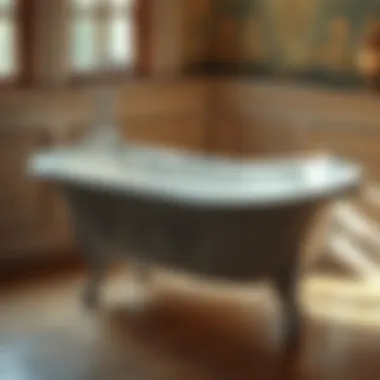
Cast iron clawfoot bathtubs have a timeless charm that effortlessly transforms any bathroom into a haven of relaxation and elegance. These stunning fixtures, with their intricate designs and robust construction, have been capturing the hearts of homeowners for generations. As the tides of interior design flow in and out, clawfoot tubs maintain a unique niche, representing both history and luxury in modern settings.
Their evolution traces back to the 19th century, originating from a blend of functional utility and artistic expression. Today, they symbolize a luxurious touch in otherwise mundane spaces. This article invites you to explore all the nuances associated with these vintage bathtubs: from their historical significance and design elements to installation and maintenance, we'll cover the nitty-gritty to help you decide whether a clawfoot tub is right for your home.
Notably, we'll delve into trending styles that currently dominate the decor scene. Is your heart set on modern minimalism, or does the warmth of cozy rustic appeal more to you? Furthermore, we will examine complementary color palettes that can enhance the aesthetic of such a focal piece in your bathing area. From calming neutrals that foster serenity to bold accents that add personality, the right choices will bring your vision to life.
In short, whether you are a seasoned enthusiast or just starting your journey into bath luxury, this guide aims to provide insights that empower you to make informed decisions about incorporating a cast iron clawfoot bathtub into your household.\n
Historical Context of Clawfoot Bathtubs
The allure of cast iron clawfoot bathtubs extends beyond mere aesthetics; their historical context provides valuable insights into the evolution of bathroom design and the changing perceptions of personal hygiene. Understanding the background of these fixtures is essential not just for connoisseurs but for anyone fascinated by design and history. These bathtubs encapsulate a certain charm that reflects the lifestyles of earlier generations and the societal values around leisure and comfort.
Origins and Development
The journey of clawfoot bathtubs traces back to the late 19th century, a period when indoor plumbing began to establish itself as a necessity rather than luxury. Initially crafted in England, these tubs represented a shift in the way society approached bathing. They moved away from the primitive wooden baskts and communal bathing that characterized earlier eras, indicating evolution towards privacy and comfort in personal care routines.
Clawfoot tubs were not just functional items; they were scopes of design ingenuity. Cast iron construction offered durability and a certain heft, making them iconic features in homes. Their design typically featured four prominent legs resembling animal talons, hence the name 'clawfoot.' This style flourished in Victorian England and soon made waves across the Atlantic, achieving popularity in America during the post-Civil War era.
Factors like the advent of the Victorian aesthetic and the simultaneous health movements, which highlighted the benefits of cleanliness, played a pivotal role in the development of these bathtubs. They became symbols of elegance, appearing lavishly in the homes of the affluent, often paired with opulent fixtures and ornate decorations that epitomized a sense of refined living. Moreover, the use of enamel finishes allowed for easy cleaning, making them a favored choice amidst the growing understanding of hygiene.
Architectural Significance
In the architectural landscape, clawfoot bathtubs stood out as prominent features capable of enhancing any bathroom's visual appeal. Their presence transformed bathrooms from purely utilitarian spaces into sanctuaries of relaxation and self-care. Architects of the time began to experiment with layouts and designs that would showcase these bathtubs as centerpieces rather than mere fixtures.
Clawfoot tubs were versatile, fitting seamlessly into various designs—ranging from grand, sprawling mansions to smaller bungalows. They promoted a sense of luxury without requiring extensive space and offered an option for freestanding installations, which diverged from the built-in tubs that dominated bathrooms during the earlier parts of the 20th century.
"The clawfoot tub represents a timeless link between elegance and functionality, illustrating how design can enrich the experience of everyday life."
As architectural styles evolved, so did the configurations of clawfoot tubs. Whether clad in brass, chrome, or intricate porcelain, these tubs captured the imagination of homeowners and designers alike. Each design iteration reflected the changing tastes and preferences of society, catering to both the modern homeowner and those seeking to invoke a sense of nostalgia. This significance within architectural history emphasizes the ongoing relevance of clawfoot bathtubs in contemporary bathroom designs—an enduring legacy worth exploring further in subsequent sections.
Design Characteristics
When discussing cast iron clawfoot bathtubs, one can’t overlook the design characteristics that make them such sought-after pieces in bathroom decor. These design elements not only add a touch of elegance but also serve functional purposes. Understanding the nuances of material, construction, and the various stylish features can significantly influence decisions for homeowners and design enthusiasts alike.
Material and Construction
Cast iron is the backbone of these bathtubs. The heavy, durable properties of cast iron make it an excellent choice for manufacturing bathtubs. Its ability to hold heat without losing warmth quickly ensures that a soothing bath experience is never cut short by chilly water. Moreover, the enamel finish applied on cast iron makes cleaning relatively straightforward; just a regular wipe down will keep it looking pristine.
A downside to consider is the weight. A cast iron bathtub is hefty. This means that not only does it require sturdy flooring, but it also poses challenges during installation. Even so, the long-lasting nature of cast iron outweighs these drawbacks, as these bathtubs can often last for many decades with proper care. As such, they tend to be seen as a worthwhile investment.
Stylish Features
Feet Styles
One cannot discuss clawfoot designs without emphasizing the feet styles. These feet, ranging from a classic ball-and-claw to more intricate designs like lion paws, present options that can give character to any bathroom setting. The charm of different feet styles offers more than just aesthetic appeal; each design adds a unique touch, contributing to the overall ambiance.
For example, lion paw feet are not only popular but symbolize strength and majesty. Their robust look can draw attention, creating a focal point in the bathroom. The choice of feet styles significantly influences the statement the bathtub makes, turning it into a piece of art or simply a functional item with flair.
Finish Options
The finish of a clawfoot bathtub can vary widely, from glossy, smooth surfaces to matte finishes that offer a more subtle, understated elegance. A high-gloss finish can reflect light beautifully, making a space feel brighter and more open. However, it can be prone to showing scratches or chips more easily.
A matte finish, conversely, has an earthy quality that can align well with rustic or vintage themes. The decision on finish is largely dictated by personal taste and the desired mood for the bathroom.
Color Variations
Color variations in clawfoot bathtubs extend beyond traditional white. Bold hues like deep navy or rich emerald can add depth and drama to a bathroom. Color selection can be seen as a way to express individuality and creativity, breaking away from the norms of typical bathroom designs.
However, brighter colors might not suit everyone's taste and could potentially clash with existing decor. Hence, it’s advisable to choose a color that resonates with the overall theme of the bathroom while providing a delightful visual contrast without overwhelming the space.
In essence, the design characteristics of cast iron clawfoot bathtubs not only speak to their beauty but also their functionality. From the material to the smallest design detail, each aspect holds a role in enhancing the bathroom experience.
Functional Aspects
When it comes to selecting a bathtub, functional aspects often take center stage. For clawfoot bathtubs, especially those crafted from cast iron, the functional characteristics can significantly influence the overall bathing experience. These features enhance not just comfort but also the health benefits linked to bathing.
Comfort and Ergonomics
In a world that often leaves us racing against the clock, the need for a haven of relaxation seems to grow stronger. Clawfoot bathtubs, with their unique shapes and design, can provide more than just an aesthetically pleasing appearance; they offer comfort that can turn an ordinary bath into a soothing escape. The ergonomic design of these tubs is intentionally crafted to cradle your body, allowing for a stress-free soak.
Typically deeper than traditional tubs, clawfoot bathtubs enable a user to immerse themselves more thoroughly. This sensation of being enveloped in water can contribute to a more profound relaxing experience. Consider this: after a long day, sinking into a porcelain shell of warmth can feel like having a weight lifted off your shoulders.
Moreover, the position of the tub—often freestanding—allows for various placements in the bathroom. Homeowners can choose a layout that complements their lifestyle—whether it be a cozy nook for a quiet evening or a centerpiece that opens the space for social gatherings.
Heat Retention
The material composition of a cast iron clawfoot bathtub plays a pivotal role in its ability to retain heat. Unlike acrylic or fiberglass, cast iron is renowned for maintaining water temperature over extended periods. This feature is especially crucial for those seeking a long, luxurious soak. Just picture it: you fill your tub with hot water, and instead of it rapidly cooling down, the heat remains, inviting you to bask in warmth for as long as you wish.
This temperature retention results from the thick casting of iron, which acts as an insulator. When you opt for a clawfoot bathtub, you’re effectively investing in a fixture that encourages longer baths without the necessity of frequent refills.
Benefits of Heat Retention:
- Extended Soaking Time: Fewer interruptions for hot water refills.
- Energy Efficiency: Reduced need for heating water multiple times.
- Therapeutic Advantages: Warm baths can relieve tension and improve circulation, making the bathing experience not just pleasurable but beneficial for health.
When the cold weather rolls in, there’s nothing quite like slipping into a warm bath and feeling the warmth cradle your body. This functional benefit makes a significant difference in the way one can enjoy their bathtime rituals, turning a simple act into a rejuvenating wellness practice.
As you explore the idea of installing a clawfoot bathtub, weighing these functional aspects can aid in making an informed and thoughtful decision that aligns with both comfort and wellness goals.
"A clawfoot bathtub's comfort and heat retention are not just features; they are essentials that transform your daily routine into a sanctuary for both relaxation and health."
Installation Guide
An installation guide serves as the cornerstone for setting up cast iron clawfoot bathtubs. It’s not merely about plopping the tub in and calling it a day; rather, it’s a careful choreography of planning, plumbing, and precision that determines how well your tub functions and fits within your space. This section lays out the essential steps to ensure a hassle-free installation process. By addressing key elements and considerations, you will be equipped to transform your bathroom into a soothing sanctuary with this iconic centerpiece.
Planning and Preparation
To begin, planning is half the battle. Before you ever think about running a single pipe or carrying your tub to the bathroom, take a moment to consider your options:
- Choosing the Right Location: The position of your clawfoot tub can greatly affect its usability. Consider factors like accessibility, natural light, and privacy. A corner location might appear cozy, but make sure it's not too cramped to enjoy a relaxing soak.
- Checking Dimensions: It’s vital to measure your space. Clawfoot tubs come in various sizes, so ensure there’s enough room not just for the tub itself, but also for any additional fixtures or accessories you might want nearby. Keep in mind, doors and windows need to swing freely without obstacles.
- Floor Support: Given the weight of cast iron, confirming that your floor can support the added heft is crucial. If the floor feels weak or bouncy, consult with a professional to reinforce it before installation.
"Proper planning helps prevent poor performance. It's as simple as that!"
Plumbing Considerations
When it comes to plumbing, this part of the installation can't be overlooked. Here are some essential points to ponder:
- Water Supply Lines: Before bringing in your tub, ensure the water supply lines are in place. This usually involves hot and cold lines leading directly to the location of the tub. The orientation of these lines can dictate where your faucets will go and how easily they can be accessed.
- Drainage Setup: It’s not just about getting water to your tub; you need a way for it to leave. The drainage should be aligned with the existing plumbing lines to avoid any unforeseen issues. Proper placement of the drain will prevent future headaches like leaks or backflows.
- Professional Help: If you’re not entirely comfortable with plumbing tasks, hiring a professional plumber might be a sound investment. They ensure everything is up to code, which ultimately gives you peace of mind in the long run.
Final Setup Procedures
Once the plumbing is ready, it’s time to finalize the installation. Here's how to proceed:
- Positioning the Tub: Carefully set the tub in its designated spot, ensuring it’s level. You may want to use shims under the feet if the floor isn’t perfectly even. A level tub can prevent potential cracking down the line.
- Connecting the Plumbing: Attach the water supply and drainage systems. Double-check these connections because water leaks can ruin your investment and lead to costly repairs.
- Sealing the Edges: To keep moisture at bay, apply a waterproof sealant around the edges of the tub where it meets the floor. This is especially important if your tub doesn’t have built-in overflow features.
- Adding Finishing Touches: Finally, install faucet fixtures, handles, and any other accessories. Make sure everything is secure but also visually appealing. Once done, give it all a good check before turning on the water.
In summary, while the installation of a cast iron clawfoot tub may seem daunting, having a well-structured guide can ease the process. By planning adequately, ensuring proper plumbing, and completing setup procedures deftly, you're on your way to enjoying luxurious soaks in no time.
Maintenance Essentials
Proper maintenance of cast iron clawfoot bathtubs is not just a matter of keeping them looking fabulous; it extends the life of the tub and ensures a comfortable, enjoyable bathing experience. Neglecting these tub's upkeep can lead to unsightly stains, chipped finishes, or even cracks, which can quickly turn a luxurious bathing spot into a headache. By understanding the components of maintenance, homeowners can appreciate the true value these tubs bring to their homes.


Regular Cleaning Practices
Keeping a bathtub clean doesn’t require a chemistry degree, but it does need some regular attention. The beauty of a cast iron clawfoot tub is more than skin deep; maintaining its finish is crucial. To ensure your bathtub sparkles, develop a routine that involves:
- Gentle Cleanser: Use a non-abrasive cleaner. Harsh chemicals can strip the protective enamel coating. Something like dish soap mixed with warm water usually does the trick.
- Soft Cloth: Invest in a microfiber cloth or a soft sponge. Scrubbing pads can be too aggressive and can damage the surface.
- Rinsing: After cleaning, rinse thoroughly with water. Leftover soap can lead to a dull finish.
- Monthly Deep Clean: At least once a month, consider a deeper clean with baking soda to tackle built-up grime. Sprinkle it inside the tub, scrub gently, and rinse well.
Avoiding Damage
Like a good friend, preventing damage to your bathtub takes some forethought. Here are a few practical dos and don’ts to keep in mind:
- Avoid Heavy Objects: Do not drop heavy items into the tub. A well-placed shampoo bottle is one thing; a cast iron frying pan is quite another.
- Temperature Changes: Extreme temperature shifts can crack the porcelain finish. Avoid pouring boiling water directly into the tub.
- Chemicals: Steer clear of any cleaning products with bleach or harsh acids. Regular cleaners should feel like a pampering spa treatment, not a scrub in a toxic lab.
- Sealing: Depending on the age of your tub, you might want to apply a sealant to prevent rust and scratches.
Repairing Common Issues
Even with the best care, wear and tear can happen. Here's how to address some common issues:
- Chips and Scratches: Small chips can be repaired using a porcelain touch-up kit. Following the manufacturer’s instructions provides the best results.
- Rust Spots: For minor rust spots, mix baking soda with water to create a paste, apply it to the spots for about 20 minutes, then scrub with a soft cloth.
- Leaks: If you notice a leak, it might be from old seals or plumbing. Tightening fittings may help, but it’s wise to call a plumber if it’s a persistent issue.
Remember: Regular checks on seals and fittings, alongside essential cleaning, will help catch problems before they escalate. Homeowners are encouraged to take a proactive approach to maintenance, as it can save both time and money down the line.
Incorporating these maintenance tips will keep your cast iron clawfoot tub not only looking stunning but functioning greatly as a centerpiece in your bathroom. For further insights into caring for your bathtub, consider checking out resources from Wikipedia or Britannica.
Adhering to these suggestions will ensure your bath experience is always relaxing, turning your daily routine into a cherished ritual.
Comparing Modern Alternatives
In the ever-evolving world of bathroom designs, the choice between a cast iron clawfoot bathtub and more contemporary options is not merely a question of aesthetics but also one of practicality. For those considering the complete look and functionality of their bathroom, comparing modern alternatives is crucial. This exploration offers valuable insights into benefits, considerations, and how these alternatives stack up against timeless cast iron models. It’s not just about finding a bathtub; it’s about finding the perfect match for your lifestyle and home.
Acrylic and Fiberglass Options
When we talk about modern bathtub materials, acrylic and fiberglass options often come to the forefront. They have gained popularity due to their lightweight nature and relative ease of installation compared to traditional cast iron. Here are some significant points to weigh:
- Weight and Ease of Handling: Acrylic bathtubs are much lighter, which can simplify the installation process. If you are working with a renovation that requires heavy lifting, this can be a considerable advantage.
- Versatility in Design: Acrylic offers a range of styles that can fit various design aesthetics, from sleek modern to rustic looks. Additionally, it can emulate the appearance of cast iron without the heft.
- Maintenance: Acrylic and fiberglass surfaces are typically easier to clean and maintain. They resist staining and scratching better when compared to cast iron, which may require careful upkeep to prevent rust.
- Cost-Effectiveness: In terms of price, these alternatives usually come in at a lower cost, making them attractive options for budget-conscious homeowners.
However, it is essential to note that while acrylic and fiberglass tubs are more affordable, they don't always offer the same durability and heat retention properties as cast iron, which can hold heat for longer periods, making your bathing experience more enjoyable.
Freestanding vs. Built-In Tubs
This comparison boils down to two significant choices: freestanding tubs and built-in options. Each has its unique characteristics that cater to different needs.
- Freestanding Tubs: These bathtubs offer stunning visual appeal and flexibility in placement. They can become a centerpiece in your bathroom, showcasing intricate designs or curves that enhance your décor. Freestanding tubs are generally easier to install because they do not require extensive plumbing work. However, they might need more space, so it’s key to consider your bathroom's layout before deciding.
- Built-In Tubs: In contrast, built-in tubs are integrated into the bathroom design, often surrounded by cabinetry or walls. They provide a streamlined look and can make better use of space, particularly in smaller bathrooms. Built-in tubs can also offer practical storage solutions with surrounding cabinetry. However, once installed, they cannot easily be moved, and you may have fewer style options compared to freestanding models.
Both choices have their merits, and ultimately, it depends on individual preference, space, and design goals. A well-thought-out bathroom design will recognize the importance of both types, selecting the one that aligns best with functionality and aesthetics.
"Choosing the right bathtub is just as much about the visual appeal as it is about how it fits into your practical everyday life."
Selecting the Right Model
Choosing the right model of a clawfoot bathtub is like finding a soulmate for your bathroom—a choice that not only reflects your personal taste but also must fit into the physical space and functionality required. It's important not to rush this decision, as it requires thoughtful consideration of various factors that will ultimately enhance your bathing experience. When selecting the right model, one must take into account both the size of the bathtub in relation to the space available and the price range aligned with your budget.
Size and Space Considerations
First off, size matters. Let's break it down—before you even step foot into a store or browse online, measure your bathroom space diligently. A clawfoot tub can take up a fair bit of room; you don’t want to end up with an awesome tub that swallows up every inch.
- Measure Your Space: Get the dimensions of both the area where you want the tub and any doorways it will need to pass through. Ensure that there’s enough clearance around the tub for cleaning and movement.
- Standard Sizes: Typical clawfoot tubs come in various lengths—around 60 inches being common, but there are options that can stretch longer or shorter.
- Visualizing Placement: Lay out tape on the floor to show where the bathtub will sit. Walk around it to visualize movement. This is more telling than staring at a website picture.
- Height Matters: Some models sit lower to the ground, while others are higher. Consider your comfort level and if the height suits your needs, especially if mobility is a concern.
Ultimately, the perfect size will harmonize not just with aesthetic appeal but also with practical use.
Budgeting for Your Bathtub
When it comes to budgeting, clawfoot bathtubs can run the gamut from reasonably priced to high-end. Determine your budget before falling in love with a model that stretches beyond your means.

- Setting a Budget: Look at your finances and decide how much you are willing to spend. Don't just account for the cost of the tub itself—there's also installation, plumbing, and any additional accessories that might come into play.
- Cost Ranges: On average, a basic acrylic clawfoot tub might be more budget-friendly, often ranging between $300 and $800. In contrast, a solid cast iron tub with stylish legs can start at $1,500 and can easily exceed $3,000 depending on features.
- Long-Term Value: Consider durability; cast iron tubs are known for their longevity and efficiency in heat retention. This could save you money on water heating over time.
- Sales and Discounts: Keep an eye out for sales, particularly during major holidays. Purchasing during off-peak times can sometimes lead to favorable deals.
By carefully navigating your size and budget considerations, you can secure a clawfoot bathtub that not only enhances your bathroom’s charm but also aligns with your financial reality. A measured approach in selecting the right model will lead you to a purchase that you’ll be happy with for many years to come.
Aesthetic Impact on Bathroom Design
In the realm of interior decoration, the aesthetic impact of a bathroom is often underestimated. A clawfoot bathtub serves not just as a functional element in the space but also as a striking centerpiece that dictates the overall look and feel of the bathroom. With their iconic silhouette and timeless charm, these bathtubs evoke a sense of elegance that transforms a mere bathroom into a personal oasis. It’s like bringing a piece of history into your home; they are much more than just tubs.
Style Cohesion with Other Fixtures
One crucial aspect of achieving a harmonious bathroom design lies in the cohesion of style between different fixtures. A clawfoot tub, often available in vintage and contemporary designs, can seamlessly blend with a variety of other bathroom elements. Whether you opt for rustic wooden cabinetry or sleek modern vanities, ensuring that your fixtures speak the same design language is key.
- Color Coordination: The color palette is vital. For instance, pairing a white clawfoot bathtub with soft pastels or even dark hues can create striking contrasts or subtle harmonies. You may want to match your faucet finishes, such as chrome or antique bronze, to maintain a cohesive look.
- Complementing Designs: If your bathroom includes traditional elements like beadboard or wainscoting, a clawfoot tub can enhance this style significantly. On the other hand, in a minimalist modern space, choosing a tub with clean lines and an uncomplicated finish can prevent it from feeling out of place.
Creating a Luxurious Atmosphere
When it comes to luxury, a clawfoot tub certainly has the upper hand. Apart from mere aesthetics, having such a tub in your bathroom establishes an ambiance of relaxation and indulgence. The psychological effect of a beautifully appointed bathroom should not be neglected; it can create a retreat from daily stresses.
- Spa-like Feel: Consider integrating hydrotherapy features or surround your tub with plush towels and aromatic candles. It’s all about elevating the atmosphere. Even some tasteful greenery can contribute. Think about placing a fern or succulent nearby to provide a natural vibe.
- Lighting: The importance of light can’t be overlooked. Proper lighting not only highlights your clawfoot tub but can also set the mood for a calming space. Use soft, ambient light to enhance the luxurious feel. Think about dimmers or wall sconces that spotlight the tub area to foster that serene sensation.
"A well-designed bathroom is not just about utility; it’s an invitation to unwind and enjoy the moment."
Integrating Wellness Practices
Integrating wellness practices within the realm of clawfoot bathtubs goes beyond simple comfort. It's about cultivating a serene atmosphere that promotes relaxation and rejuvenation in the everyday hustle and bustle. The emphasis on wellness is becoming increasingly relevant as people seek to carve out personal retreats in their homes. With clawfoot bathtubs being the epitome of elegance and functionality, they naturally lend themselves to wellness-oriented applications.
By acknowledging the psychological benefits of a relaxing bath, homeowners can transform their bathing experience into a more holistic ritual. The ambiance created by these tubs encourages one to slow down, unwind, and focus on self-care, making it an essential element in any wellness practice.
Hydrotherapy Benefits
Hydrotherapy, often dubbed "water therapy," seeks to harness the therapeutic benefits of water in promoting physical and mental well-being. The clawfoot bathtub’s depth and design provide the ideal setting for this practice. The simplicity of soaking in warm water can work wonders, reducing muscle tension and enhancing blood circulation. Additionally, when combined with Epsom salts or essential oils, hydrotherapy not only soothes physical fatigue but can also alleviate stress and anxiety. Here are some key benefits:
- Muscle Relaxation: The heat from the water helps to relax tight muscles, promoting recovery after a long day.
- Improved Circulation: Soaking in warm water can stimulate blood flow, which is essential for overall health.
- Stress Reduction: The act of immersing oneself in a tub has a calming effect, leading to decreased levels of stress hormones.
To get the most from hydrotherapy, consider the temperature of the water and the duration of your soak. The ideal temperature hovers around the range of 100-104°F (about 37-40°C) for optimal relaxation without risk of overheating.
Enhancing Relaxation Techniques
Relaxation techniques play a pivotal role in maximizing the benefits of a clawfoot bathtub. It is not just about filling the tub and hopping in; creating a multi-sensory experience elevates the simple act of bathing to a luxurious escape. Consider incorporating the following methods to enhance your relaxation experience:
- Aromatherapy: Adding essential oils like lavender or chamomile to your bathwater can elevate your mood and promote tranquility.
- Soft Lighting: The use of candles or dimmed lights can create a serene atmosphere that calms the mind.
- Filtered Music or Nature Sounds: A soothing playlist can help drown out distractions and transport you to a state of bliss.
Moreover, try to practice mindfulness while soaking. Focusing on your breath or adjectives that embody peace and tranquility as you unwind can cultivate a sense of mindfulness and presence.
"Wellness does not come from the absence of tension; it comes from the art of managing it."
Integrating these practices not only enhances the aesthetic appeal of the clawfoot bathtub but also allows for a holistic approach to self-care, giving homeowners a sanctuary amidst their daily stresses. Whether through hydrotherapy benefits or refined relaxation techniques, the embrace of wellness principles serves to elevate the functionality of these timeless fixtures.
Closure
As we draw the curtain on the exploration of cast iron clawfoot bathtubs, it’s essential to understand their significance in contemporary home design and their lasting appeal. This article took a deep dive into their historical context, design features, and functional aspects. The ability of these bathtubs to evoke both nostalgia and contemporary elegance makes them invaluable for those looking to enhance their bathroom aesthetics.
Recap of Key Insights
To summarize the core takeaways:
- Rich History: These bathtubs are not just fixtures; they are pieces of art that tell a story, dating back to the Victorian era. Their evolution reflects changes in both design trends and practicality.
- Design Variety: From various foot styles to multiple finish and color options, clawfoot bathtubs offer endless customization possibilities, ensuring every homeowner can find a perfect match for their decor.
- Functional Benefits: Their sturdy construction ensures durability while their shape provides comfort, making them a perfect spot for relaxation.
- Installation and Maintenance: Proper installation and care can prolong the life of these tubs, allowing you to enjoy your soak for many years to come.
Each of these insights paints a picture of why clawfoot bathtubs remain a popular choice for homeowners across the globe.
Future of Clawfoot Bathtubs
Looking ahead, the future for clawfoot bathtubs seems bright. Many manufacturers are integrating modern elements, such as built-in heating systems, while still paying homage to the classic designs. Sustainability in materials is also becoming a focus, with eco-friendly options entering the market. As style trends shift toward mixing vintage charm with modern sensibility, we may see a rise in creative reinterpretations.
In terms of technology, smart features could be the next frontier. Imagine controlling the tub’s temperature or activating jets through a smartphone app. Such innovations would cater to the increasingly tech-savvy homeowner while still keeping that timeless look.
"A clawfoot bathtub is not merely about bathing; it's about creating an experience that combines utility with a slice of luxury."